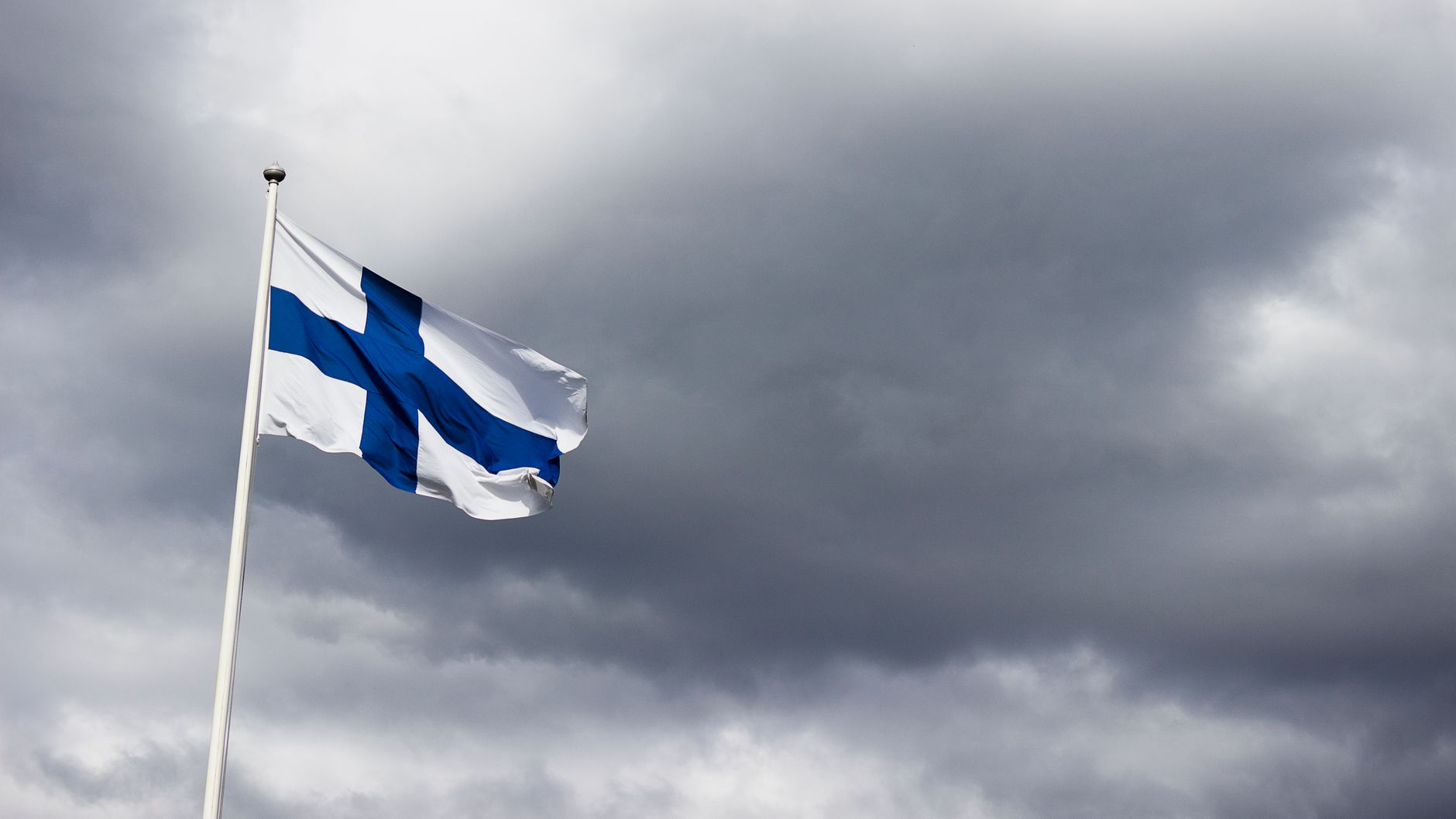
Finland iGaming reform is a hot topic as Joonas Karhu discusses the implications of a 22% tax rate and the need for changes in affiliate and social media regulations.
Understanding Finland’s iGaming Tax Structure
As Finland navigates its iGaming reform, understanding the tax structure is vital for stakeholders. The current tax rate set at 22% has been deemed competitive within the European market, positioning Finland as an attractive option for operators seeking a stable environment for their businesses. This rate aims to balance government revenue needs while fostering a thriving gaming industry.
However, the reforms are not without controversy. Industry experts, including Joonas Karhu from Huhtikuu, have raised concerns about certain bans associated with the new structure. Specifically, the prohibition on affiliate marketing and restrictions on social media advertising pose significant challenges for operators attempting to reach potential customers. These regulations could inadvertently hinder the growth of Finland’s iGaming market, limiting the ability of businesses to compete effectively.
In light of these issues, it is essential for regulators to reassess the current bans imposed under the reform. A more flexible approach could allow for innovative marketing strategies while maintaining responsible gaming practices. By doing so, the iGaming reform could not only enhance the market’s competitiveness but also ensure sustainable growth in the long term.
Ultimately, striking the right balance between taxation and regulation will be crucial for the success of Finland’s iGaming landscape.
The Impact of Affiliate Bans on the Market
The recent Finland iGaming reform has sparked significant discussions among industry stakeholders, particularly concerning the implications of affiliate bans. These restrictions not only hinder the growth of online gaming but also limit consumer engagement and information dissemination.
One of the key impacts of these affiliate bans is the reduction in marketing avenues available to iGaming operators. Affiliates play a crucial role in driving traffic to gaming sites, providing players with reviews, comparisons, and insights. With their absence, potential customers may find it challenging to navigate the vast array of options in the market.
Furthermore, the bans could lead to a lack of competition, ultimately diminishing the quality of services offered to consumers. As affiliates often promote the most reputable operators, their restriction may inadvertently allow less scrupulous entities to thrive, putting players at risk.
Additionally, the social media ban compounds the issue, as platforms like Facebook and Instagram are vital for reaching younger demographics. This demographic is increasingly engaging with online gaming, and without affiliate support, iGaming operators may struggle to attract this audience.
In summary, while the tax structure of 22% is viewed as competitive, the affiliate and social media bans require urgent reassessment to foster a healthier, more dynamic market.
Joonas Karhu’s Insights on Regulation
In a recent interview, Joonas Karhu, a prominent figure in the iGaming industry, shared his insights on the ongoing Finland iGaming reform. He emphasized that while the new tax rate of 22% is indeed competitive compared to other European markets, the accompanying restrictions could hinder growth.
Karhu pointed out that the bans on affiliate marketing and social media promotions are particularly concerning. He argued that these restrictions could limit the ability of operators to reach potential customers effectively. In his view, the current regulatory framework does not align with modern marketing practices, which are essential for attracting a broader audience.
He stated, “The tax structure is a step in the right direction, but the affiliate ban feels outdated. It’s crucial for the market to adapt to the digital age.” Furthermore, he suggested that revisiting these bans could lead to a healthier competitive environment, ultimately benefiting consumers and operators alike.
Karhu concluded that the success of Finland’s iGaming reform depends not only on a fair tax regime but also on creating a regulatory landscape that embraces innovation and allows for diverse marketing strategies.
Without these changes, he fears that the Finnish market may lag behind its European counterparts.
Future of iGaming in Finland
The future of iGaming in Finland appears to be a balancing act between maintaining a competitive tax structure and addressing recent regulatory changes that may hinder market growth. While the 22% tax rate is acknowledged as competitive, experts like Joonas Karhu argue that the current bans on affiliates and social media marketing could stifle innovation and engagement in the sector.
As Finland’s iGaming reform evolves, the necessity for a robust framework that encourages responsible gaming while fostering a thriving industry becomes paramount. Stakeholders are calling for a reassessment of the existing restrictions, emphasizing that these bans limit operators’ ability to reach potential customers effectively.
In light of these challenges, many are advocating for a more flexible approach that allows for regulated affiliate partnerships and strategic marketing avenues. Such changes could enhance consumer awareness and interaction while ensuring that operators adhere to the principles of responsible gaming.
Ultimately, the success of Finland’s iGaming reform will hinge on the government’s willingness to adapt to the dynamic landscape of the gaming industry. A collaborative effort between regulators and operators will be essential in crafting a sustainable future that benefits all parties involved.
The recent discussions surrounding Finland iGaming reform highlight the complexities of balancing taxation and regulation. Critics argue that while the Finland iGaming reform may establish a fair tax rate, the accompanying bans could stifle growth in the industry.
Photo by Baptiste Valthier on Pexels