
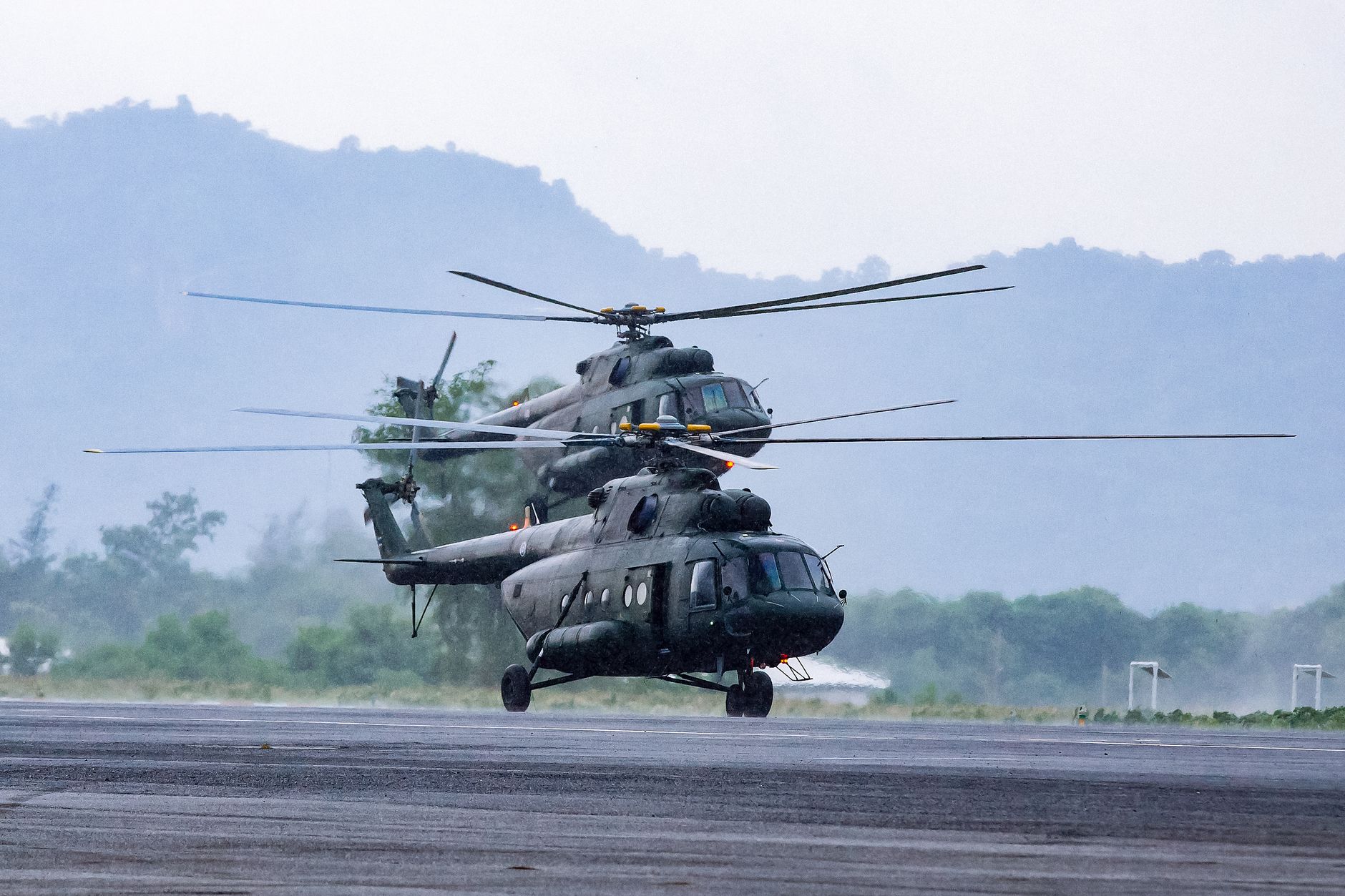
defence ministry acquisition proposals are set to transform India’s military capabilities. The recent clearance of Rs 1.10 lakh crore will significantly bolster the Army, Navy, and Air Force with advanced equipment and technology.
Overview of the Acquisition Proposals
The Defence Ministry has recently approved a significant set of acquisition proposals amounting to Rs 1.10 lakh crore aimed at enhancing the capabilities of the Army, Navy, and Air Force. These proposals represent a strategic move to bolster India’s defence preparedness and support indigenous manufacturing initiatives.
Among the key highlights of the acquisition proposals are:
- Modernization of Equipment: The proposals include upgrades to existing military equipment, ensuring that armed forces have access to the latest technology and systems.
- Indigenous Production: A significant portion of the budget is allocated for projects that promote self-reliance in defence manufacturing, aligning with the government’s Make in India initiative.
- Enhanced Capabilities: The acquisitions are designed to enhance operational capabilities across all three branches of the armed forces, improving response times and effectiveness in various scenarios.
- Long-term Growth: The defence ministry acquisition proposals set a clear path for long-term growth in the defence sector, creating job opportunities and stimulating the economy.
This decisive step by the Defence Ministry not only aims to strengthen national security but also reflects a commitment to advancing India’s position in the global defence landscape.
Impact on Military Readiness
The recent approval of acquisition proposals by the defence ministry marks a significant milestone in enhancing military readiness across all branches of the armed forces. The allocation of Rs 1.10 lakh crore will enable the Army, Navy, and Air Force to modernize their capabilities and ensure that they are well-equipped to handle contemporary security challenges.
These acquisition proposals are expected to have a profound impact on operational preparedness. The funding will facilitate the procurement of advanced weaponry and technology, which is essential for maintaining a tactical edge over potential adversaries. Key areas of focus include:
- Upgrading existing platforms: Enhancements to current systems will prolong their operational life and effectiveness.
- Indigenous manufacturing: A push for domestic production will not only support local industries but also reduce dependency on foreign suppliers.
- Research and development: Investment in R&D will pave the way for innovative solutions tailored to the unique requirements of the Indian military.
Overall, the defence ministry acquisition proposals represent a clear path to growth, ensuring that the armed forces remain agile and ready to respond to any situation. This strategic investment underscores the government’s commitment to national security and military modernization.
Details of the Rs 1.10 Lakh Crore Funding
The Defence Ministry has announced a significant funding allocation of Rs 1.10 lakh crore for various acquisition proposals aimed at enhancing the capabilities of the Army, Navy, and Air Force. This initiative is part of a broader strategy to modernize the armed forces and ensure that they remain equipped to handle contemporary security challenges.
These acquisition proposals will focus on:
- Advanced Weaponry: The procurement of state-of-the-art weapons systems is prioritized to improve combat effectiveness.
- Technological Upgrades: Investments in cutting-edge technology are essential for maintaining operational superiority in the region.
- Indigenous Production: Emphasis on homegrown manufacturing will bolster the local defence industry and reduce reliance on foreign imports.
The funding is expected to create numerous job opportunities and stimulate economic growth within the defence sector. Moreover, the Defence Ministry acquisition proposals reflect a commitment to enhancing military readiness and ensuring that the forces are well-prepared to address any potential threats.
This comprehensive funding initiative marks a pivotal moment in India’s defence strategy, reinforcing the government’s dedication to a robust and self-reliant military framework.
Key Equipment and Technology Acquired
The recent clearance of the defence ministry acquisition proposals has paved the way for significant advancements in military capabilities across the Army, Navy, and Air Force. This initiative is set to enhance operational readiness and strengthen national security.
Among the key equipment and technology being acquired are:
- Advanced Fighter Jets: The acquisition of state-of-the-art fighter jets will bolster air superiority and provide the necessary edge in aerial combat.
- Naval Warships: The procurement of new warships will enhance maritime security and improve the Navy’s operational capabilities in crucial sea lanes.
- Artillery Systems: Modern artillery systems will increase ground forces’ firepower, enabling them to respond effectively to various threats.
- Surveillance Drones: The introduction of advanced surveillance drones will enhance reconnaissance capabilities, providing real-time intelligence to commanders.
- Cyber Warfare Tools: Investment in cyber warfare technology will ensure the military can defend against and counteract cyber threats in a rapidly evolving digital landscape.
This comprehensive acquisition strategy reflects the government’s commitment to fortifying the nation’s defence infrastructure and adapting to the changing dynamics of global security.
Timeline for Implementation
The implementation timeline for the defence ministry acquisition proposals outlines a structured approach to enhance military capabilities over the coming years. The Ministry of Defence has set forth a phased schedule to ensure that the approved acquisitions are integrated efficiently into the armed forces.
Initially, the process will commence with the identification and prioritization of key equipment and technologies that align with the strategic goals of each military branch. The following timeline has been proposed:
- Phase 1 (Year 1-2): Initial procurement and delivery of critical systems, including advanced weaponry and surveillance equipment.
- Phase 2 (Year 3-4): Full operational capability tests and integration of new systems into existing military frameworks.
- Phase 3 (Year 5): Assessment of military readiness and effectiveness of the newly acquired technologies, followed by necessary adjustments.
The successful execution of these phases will not only enhance the operational readiness of the Army, Navy, and Air Force but will also foster innovation and growth within the domestic defence industry. Stakeholders are optimistic that these defence ministry acquisition proposals will pave the way for a more robust and resilient military structure.
Reactions from Defence Experts
In the wake of the recent announcement regarding the defence ministry acquisition proposals, experts in military strategy and technology have shared their insights on the implications of this substantial investment. Many believe that the proposals represent a pivotal moment for the nation’s armed forces.
- Dr. Anil Kumar, a defence analyst, emphasized the importance of modernizing military capabilities, stating, “This funding will enable our forces to acquire state-of-the-art technology, which is crucial in today’s fast-evolving security landscape.”
- Colonel Rajesh Mehta highlighted that the acquisition proposals are not just about equipment but also about enhancing operational readiness. “Investments in training and maintenance alongside new acquisitions will ensure that our forces remain competitive,” he noted.
- Professor Sunita Rao raised concerns regarding the implementation timeline. “While the funding is significant, the real challenge lies in effectively integrating these resources into our existing frameworks without delays,” she remarked.
Overall, the reactions from defence experts indicate cautious optimism. They stress that while the defence ministry acquisition proposals are a step in the right direction, successful execution will be key to achieving the desired outcomes for national security.
Comparative Analysis with Previous Budgets
The recent defence ministry acquisition proposals represent a significant departure from previous budgets, highlighting a strategic shift in military procurement. In the last five years, funding for defence acquisitions has seen a steady increase; however, the current proposal of Rs 1.10 lakh crore marks the highest allocation to date.
When comparing this year’s funding to previous budgets, several key differences emerge:
- Increased Allocation: The current budget allocation exceeds last year’s by over 30%, illustrating a commitment to enhancing military capabilities.
- Focus on Indigenous Production: Previous years emphasized imports, while this year’s proposals prioritize domestic manufacturers, aligning with the Make in India initiative.
- Diverse Equipment Range: The new proposals encompass advanced technologies across the Army, Navy, and Air Force, unlike earlier budgets that often focused on specific branches.
Experts suggest that these changes in the defence ministry acquisition proposals not only enhance military readiness but also stimulate economic growth through increased local production and job creation. As the proposals move forward, they may redefine the landscape of defence procurement in the country.
Future of India’s Defence Strategy
The future of India’s defence strategy is poised for transformation following the recent clearance of the defence ministry acquisition proposals totaling Rs 1.10 lakh crore. This strategic investment is designed to bolster the capabilities of the Army, Navy, and Air Force, ensuring that India’s military remains competitive in a rapidly evolving geopolitical landscape.
Experts believe that the successful implementation of these proposals will not only enhance operational readiness but also pave the way for indigenous manufacturing and technological advancements. As the government focuses on self-reliance in defence production, it is expected that partnerships with private sector players and foreign entities will foster innovation and create job opportunities.
Moreover, the integration of advanced technologies, such as artificial intelligence and unmanned systems, will play a crucial role in modernizing India’s armed forces. The commitment to a multi-year acquisition plan signals a long-term vision aimed at addressing both current and future threats.
As the nation prepares to embark on this ambitious journey, stakeholders from various sectors are keenly observing how these acquisition proposals will translate into tangible outcomes. The emphasis on strategic growth and technological enhancement could very well redefine India’s position on the global defence stage.
The recent surge in defence ministry acquisition proposals highlights the government’s commitment to modernizing military capabilities. As these defence ministry acquisition proposals are implemented, they promise to stimulate economic growth and innovation within the defense sector.
Photo by Somchai Kongkamsri on Pexels
References
Related reading
Latest FUN88 Access in Thailand: Seamless Login and Game Play Guide · Swifty Sportsbetting Enhances Every Wager With Secure Play and Lightning-Fast Betting Features · How does lottery technology ensure equal opportunities?