
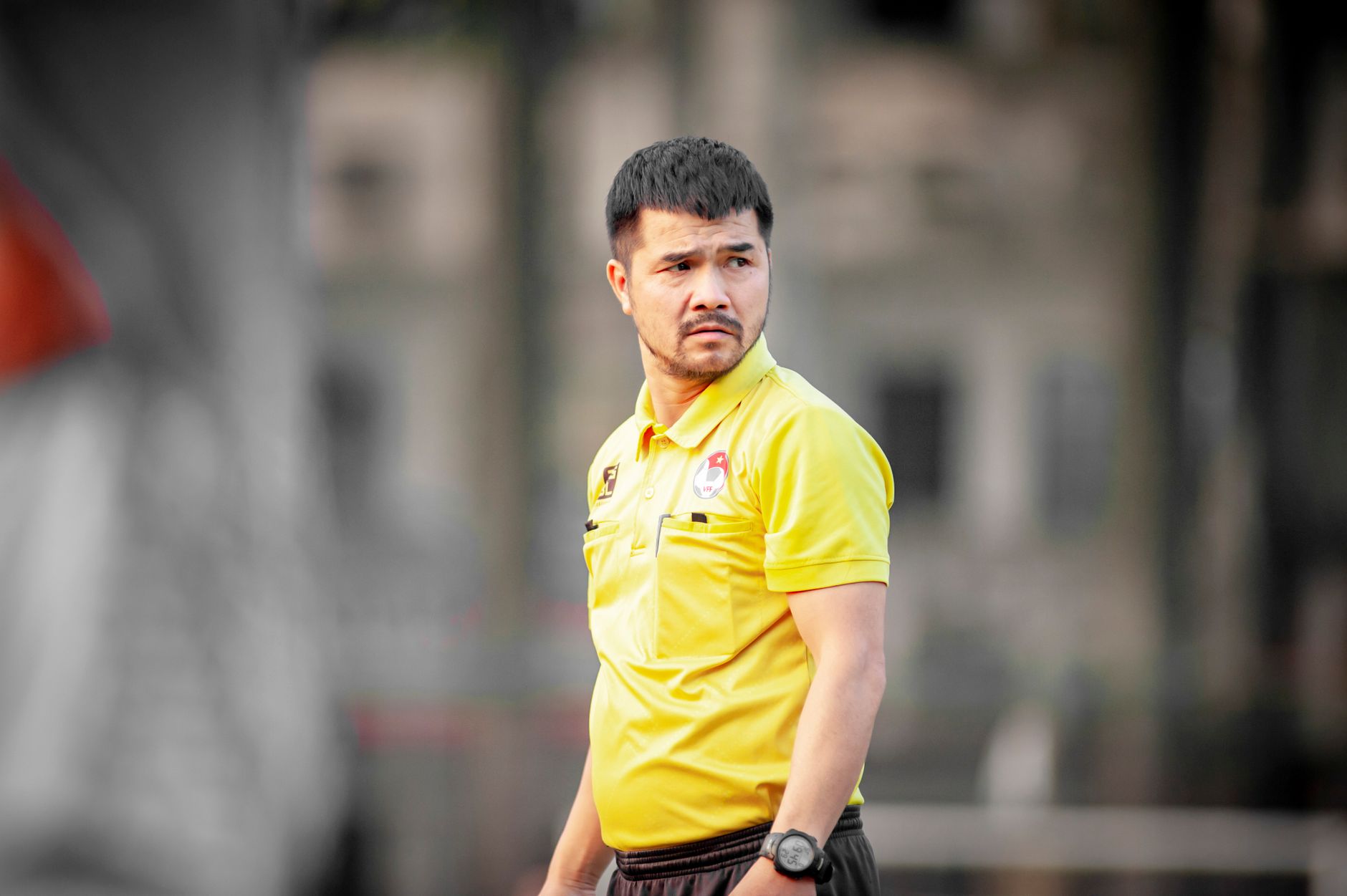
Sooryavanshi coach criticism has emerged as a significant topic following recent remarks about the Indian team management. The coach’s comments reflect deep concerns regarding the current strategies employed by the management.
Critique of Indian Team Management
The recent criticism directed at the Indian team management by Sooryavanshi’s childhood coach has sparked significant debate. He described the current management style as a form of dictatorship, arguing that it stifles creativity and freedom among players.
In his statement, he emphasized the following concerns:
- Authoritarian Approach: The coach believes that strict control over players limits their potential.
- Lack of Communication: He criticized the management for not fostering an environment where players feel comfortable expressing their ideas.
- Neglecting Individual Talents: The coach argued that a one-size-fits-all strategy undermines the unique strengths of each player.
This critique of Indian team management highlights the need for a more balanced approach, one that encourages player autonomy while maintaining discipline.
Sooryavanshi’s Coach Speaks Out
In a recent statement, Sooryavanshi’s childhood coach expressed his discontent with the current Indian team management, labeling it as a form of dictatorship. He emphasized that this kind of leadership stifles creativity and individuality among players, which is essential for their growth and performance. The coach criticized the rigid approach taken by the management, arguing that it undermines the players’ potential.
According to him, the emphasis should be on nurturing talent rather than enforcing strict compliance to a singular strategy. He believes that the Sooryavanshi coach criticism highlights a broader issue within the team’s dynamics, where fear of failure prevents players from taking risks. Players thrive in environments that encourage innovation and expression, rather than one dominated by authoritarian practices.
He urged the management to adopt a more supportive and flexible approach to foster a positive atmosphere.
Impact on Player Development
The ongoing Sooryavanshi coach criticism highlights significant concerns regarding player development within the team. Critics argue that the current management style stifles creativity and independence among players, which is essential for their growth. Many former players have voiced their opinions, suggesting that a more collaborative approach would benefit the team’s overall performance.
Key issues raised include:
- Lack of personalized training programs that cater to individual player strengths.
- Insufficient opportunities for players to express themselves on the field.
- A rigid adherence to tactics that may not suit all team members.
These factors contribute to a stagnant environment where players may feel undervalued, ultimately affecting their potential and the team’s success.
Reactions from the Sports Community
The recent criticism directed at Sooryavanshi’s coach has sparked a significant reaction from the sports community. Many former players and analysts have taken to social media to express their views on the ongoing Sooryavanshi coach criticism.
- Former cricketer Ravi Shastri stated that a more collaborative approach is necessary for team success.
- Analyst Deepa Malik emphasized the importance of building trust between players and management.
- Coach Praveen Amre criticized the top-down management style, calling it detrimental to player morale.
- Sports psychologist Dr. Neha Sharma highlighted that such authoritarian tactics can stifle creativity and performance.
As discussions continue, it remains to be seen how these reactions will influence the team’s strategy moving forward.
The recent Sooryavanshi coach criticism highlights a significant disconnect between management strategies and player morale. Many believe that addressing the Sooryavanshi coach criticism is essential for fostering a more supportive team environment.
Photo by Anh Lee on Pexels